IXO Markets

Partner networks make markets

See how teams use IXO to look after household energy services, recognise young people’s work and investigate public health signals. Then explore what you could build for the people you serve.

Household
  • Connected device
  • Fuel and usage readings

Data stays with the household

Field team
  • Service visits and repairs
  • Household records

Data stays with the operator

Evaluator
  • Measured energy use
  • Verifier's review

Shared as evidence, by agreement

Illustrative. Emerging Cooking Solutions connects households, connected devices and field operations in Zambia; the verifier and registry decide what qualifies.

Emerging Platform

Household energy · Zambia · In production

Cleaner cooking, backed by records people can check.

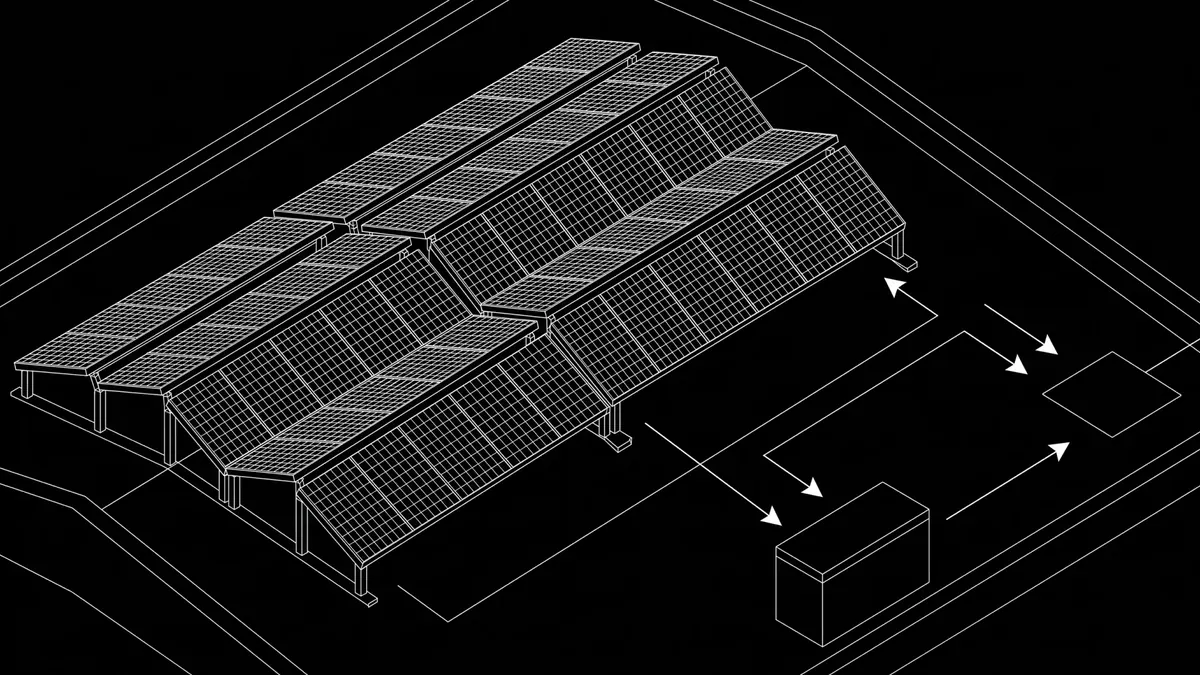
Emerging Cooking Solutions connects households, stoves and field teams through IXO. The team uses service records and energy measurements to support households and check the evidence behind carbon claims.

Emerging Cooking Solutions runs the core operating functions of its Zambian business on IXO.

  • Digital carbon credits representing about 50,000 tonnes of CO₂ equivalent issued using IXO records under Gold Standard's metered and measured methodology.
  • Switzerland and Zambia have authorised the activity under Article 6.2, the framework for carbon-credit transfers between countries. The KliK Foundation purchases the resulting credits. KliK announcement
  • Emerging offers supporters credits calculated using the latest literature-derived values. Berkeley citation

What people gainField teams can see the household and device records they need for a service visit. The operator uses those same records to prepare carbon evidence.

How it works
  1. Connect a household and its device
  2. Record service visits and energy use
  3. Check the supporting evidence
  4. Prepare records for carbon assurance

Read about Emerging Platform
Young person
  • Agreed task
  • Evidence of the work

Data stays with the person

Programme
  • Reviews the evidence
  • Approves payment

Decision recorded with its reason

Payment and credential
  • Provider pays out
  • Credential issued

Carried to the next opportunity

Illustrative. Yoma’s Impacts Exchange is in production and scaling; the payment provider and credential issuer act under their own rules.

Yoma Impacts Exchange

Work and opportunity · Pan-Africa · In production · Scaling

Turn completed work into payment and the next opportunity.

Young people submit evidence of the work they have done. Programme teams review it, approve the reward and keep a record of the decision. A credential gives the participant something to show a future employer.

The Yoma Impacts Exchange connects verified work to payments and credentials, creating opportunities for young people across Africa.

  • IXO is the contracted technology partner for UNICEF, Generation Unlimited and the Yoma ecosystem.
  • We are already working across South Africa, Nigeria and Zambia, and expanding to other countries.
  • The wider Yoma ecosystem spans 93 countries, with more than 924,000 digital identities and 641,000 verified credentials.

What people gainYoung people can be paid for completed work and carry a record of it into their next opportunity. Programme teams can explain why they approved a payment.

How it works
  1. Agree the work and reward
  2. Complete the work and share evidence
  3. Review and recognise the result
  4. Approve payment and issue a credential
Read about Yoma
Laboratory
  • Genomic sequences

Data stays here

Hospital
  • Case reports

Data stays here

Public-health agency
  • Surveillance data

Data stays here

Signal assessment
  • What is known
  • What is uncertain
  • The health team decides
Illustrative. PathGen is co-originated with Duke-NUS Medical School and in field-testing after its Singapore public preview.

PathGen

Public health · Southeast Asia · Research and field testing

Help health teams make sense of outbreak signals.

PathGen brings genetic data and other evidence together to help health teams investigate pathogen signals. Each institution controls access to its data and decides how to respond.

Developed with Duke-NUS Medical School, PathGen is a research programme with health teams in Southeast Asia.

  • IXO and Duke-NUS Medical School are developing PathGen to help health teams turn pathogen evidence into actionable intelligence.
  • PathGen is funded by the Gates Foundation, Temasek Foundation, Philanthropy Asia Alliance, Google.org and Google DeepMind.

What people gainHealth teams can compare what is known and what needs another check, while the institutions supplying the data decide how it is used.

How it works
  1. Bring relevant evidence together
  2. Analyse within the institution's data rules
  3. Show what is known and uncertain
  4. Support the health team's next decision
Read the PathGen preview
Businesses
  • Service requests

Consent set by each business

Municipality
  • Registers and approvals

Data stays with the municipality

Public agency
  • Records and permissions

Data stays with the agency

Local digital service
  • Agreed data use
  • Shared record of the service
  • Consent can be changed
Illustrative. DigiHub and IXO are testing locally governed services with participants in Liechtenstein.

DigiHub

Local services · Liechtenstein · Pilot

Making a digital sovereign state.

DigiHub brings businesses, municipalities and public agencies together to explore local AI services. Participants help decide how the services should work and how their data may be used.

DigiHub and IXO are working together in Liechtenstein to design and assess AI services for local needs.

  • The programme brings small businesses, municipalities, public agencies and civic organisations into the design and assessment of AI services.

What people gainLocal organisations help shape the services they need, with a say in how their information is used.

How it works
  1. Start with a local need
  2. Agree how information can be used
  3. Try the service with participants
  4. Use their experience to improve it
Read the DigiHub story

An agent that buys on your terms.

Imagine giving an agent a task and a budget, then being able to check each purchase against your instructions. You set the limits and choose where it needs your approval.

Buyer
  • Instructions
  • Spending limit

Sets the approval points

Agent
  • Checks the purchase
  • Decision to Buy

Follows your instructions

Payment service
  • Checks and sends payment
  • Records the result

Follows its payment rules

Illustrative design for an agent purchase.
Start with the decisionCheck the evidence and record who can approve the next step.See how IXO Decisions works
Connect your applicationExplore the tools and integration guide for building with IXO.See the integration path

Decision and action spaces for your team and agents.

Bring your people and AI agents into the same workspace. Keep the conversation and the work together, on web, desktop and mobile.

QI.SPACE · 28 SECOND EXPLAINER

From a shared goal
to action.

Bring people, AI agents and evidence into a Topic. Make a decision together, then put it to work.

Illustrative workflow. People and agents act within the permissions and payment conditions you set.
Read the Topic flow
  1. People and AI agents come together around a goal in a Topic.
  2. Documents, images, recordings, live data, system records and research become shared evidence.
  3. A Decision Oracle checks the evidence against agreed rules. The decision owner reviews and approves the next step.
  4. A signed decision links the result to its evidence. People and agents receive work, connected systems run workflows, and payment is released when agreed conditions are met.
  5. Actions are recorded in the Topic so the team can follow the result.

Start a Topic for a question, a project or a piece of work. Invite your team and AI agents, share what they need and keep decisions with the conversation.

What people gainPick up where you left off, with the files, conversations and decisions in one place.

Open Qi.Space

What would you build?

Explore these ideas for using IXO in your own field. Each example shows who would take part, what they would share and how they would decide.

Generate clean energy

Use generation, demand and equipment data to deliver dependable clean power.

Generate clean energy
Explore this application
What it knows
Generation readings, forecasts, tariffs and maintenance history
Who works together
Energy operators, customers and maintenance teams
What agents enable
Forecast demand and propose generation or maintenance schedules
Who decides
The operator sets dispatch limits and approves maintenance
What you can prove
Metered energy delivered and completed service records
Start with this application

Deliver more effective care

Give care teams the information they need to plan the next step with a patient.

Coordinate care around patient evidence
Explore this application
What it knows
Patient observations, care plans and clinical records
Who works together
Patients, clinicians and care providers
What agents enable
Identify changes in observations and prepare evidence for review
Who decides
The appointed clinician authorises changes to care
What you can prove
A record of the care given and what happened afterwards
Start with this application

Build skills and credentials

Connect completed work to evidence, recognition and the next opportunity.

Build skills and credentials
Explore this application
What it knows
Agreed tasks, work submissions and assessment criteria
Who works together
Workers, programme teams, reviewers and credential issuers
What agents enable
Check submissions against requirements and prepare assessment records
Who decides
The appointed reviewer accepts work; the issuer awards credentials
What you can prove
Verified work records and issued credentials
Start with this application

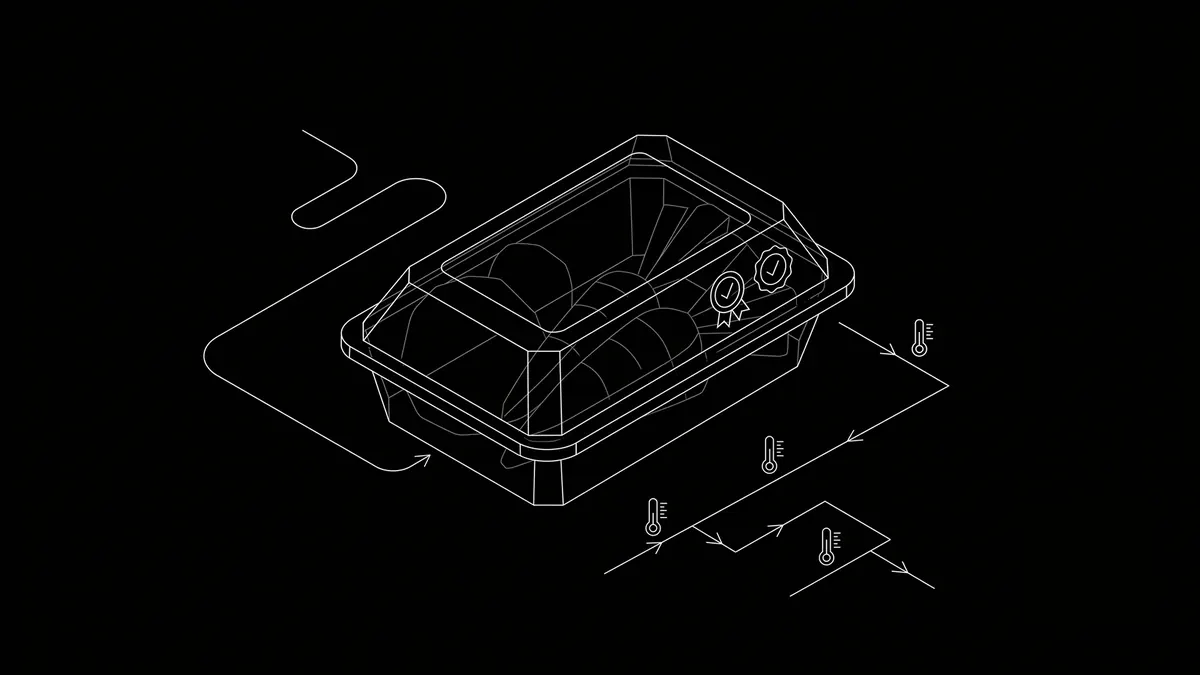
Trace food from production to delivery

Connect producers and buyers with a record of quality and custody.

Trace food from production to delivery
Explore this application
What it knows
Batch origins, quality checks, storage conditions and handovers
Who works together
Producers, processors, carriers and buyers
What agents enable
Identify missing records and flag changes in storage conditions
Who decides
Each participant approves the handovers and quality decisions they own
What you can prove
Traceable batches and accepted delivery records
Start with this application

Keep water infrastructure working

Help field teams plan maintenance and keep water services running.

Keep water infrastructure working
Explore this application
What it knows
Flow, pressure, water quality and maintenance records
Who works together
Utilities, field teams and service users
What agents enable
Spot unusual readings and suggest inspections or repairs
Who decides
The utility sets operating limits and authorises field work
What you can prove
Verified repairs and measured service performance
Start with this application

Coordinate land restoration

Help land stewards show funders what their restoration work has achieved.

Coordinate land restoration
Explore this application
What it knows
Land boundaries, baseline surveys and field observations
Who works together
Land stewards, field teams, evaluators and funders
What agents enable
Compare observations with milestones and assemble evidence for review
Who decides
Land stewards approve work and appointed evaluators accept results
What you can prove
Verified restoration milestones and their supporting evidence
Start with this application

Make buildings more liveable

Connect building teams with the information needed to maintain safe, efficient spaces.

Improve building operations
Explore this application
What it knows
Energy use, occupancy, inspections and service agreements
Who works together
Owners, tenants, facilities teams and contractors
What agents enable
Spot unusual readings and suggest which repairs need attention
Who decides
The facilities manager approves work under the owner's rules
What you can prove
Completed repairs, inspection records and measured energy performance
Start with this application

Keep delivery fleets moving

Use vehicle and service records to coordinate reliable deliveries.

Keep delivery fleets moving
Explore this application
What it knows
Telemetry, battery condition, routes and maintenance history
Who works together
Fleet operators, drivers, service teams and customers
What agents enable
Anticipate service needs and propose route or vehicle changes
Who decides
The fleet operator approves dispatch and service changes
What you can prove
Delivery receipts and verified maintenance records
Start with this application

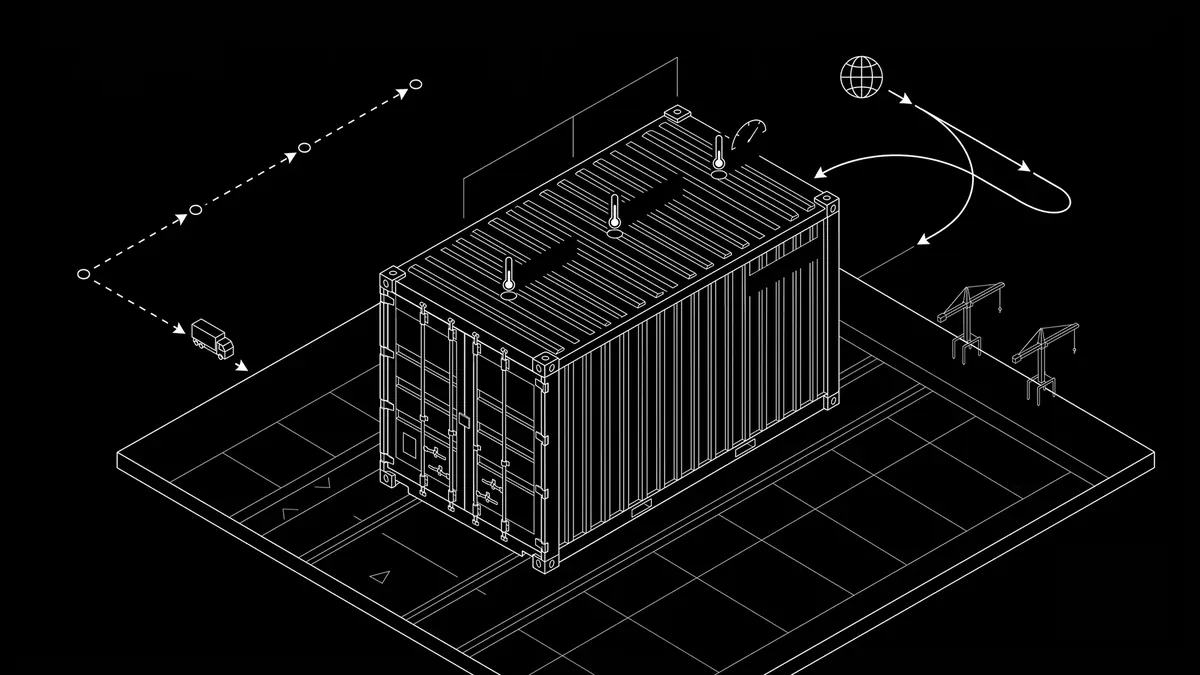
Coordinate cargo handovers

Help each team know who has the cargo, what condition it is in and what happens next.

Coordinate cargo handovers
Explore this application
What it knows
Cargo identity, custody, location and condition readings
Who works together
Shippers, carriers, port teams and receivers
What agents enable
Check handover requirements and flag cargo at risk
Who decides
The responsible teams sign off handovers and confirm delivery
What you can prove
Signed handovers and accepted delivery evidence
Start with this application

Verify production quality

Help teams show that a batch meets the quality their customer agreed.

Verify production quality
Explore this application
What it knows
Batch specifications, machine readings and inspection results
Who works together
Manufacturers, suppliers, quality reviewers and buyers
What agents enable
Check production records and flag anything that misses the requirements
Who decides
The quality reviewer accepts batches and authorises release
What you can prove
Accepted batches with traceable quality evidence
Start with this application

Resolve insurance claims

Help people and reviewers follow a claim from the first evidence to the decision.

Resolve insurance claims
Explore this application
What it knows
Policy terms, incident records and supporting documents
Who works together
Claimants, assessors, insurers and payment providers
What agents enable
Organise evidence and check it against policy requirements
Who decides
The authorised assessor decides the claim under the policy
What you can prove
A decision with its supporting evidence and any payment approval
Start with this application

Share computing capacity

Match computing jobs to available resources, within the budgets and permissions you set.

Coordinate compute capacity
Explore this application
What it knows
Capacity, workload requirements, usage and service agreements
Who works together
Resource owners, workload teams and infrastructure operators
What agents enable
Recommend allocations and identify capacity or service issues
Who decides
Resource owners set access, budgets and allocation authority
What you can prove
Verified usage and recorded service delivery
Start with this application

Tell us about the work you do.

Where does your team lose time chasing information or waiting for approval? Tell us what you want to improve, and we can explore it together.

If you fund programmes, see how funding connects to the results it supports.

Connect